Are Bose Speakers Waterproof?
Two models survive immersion and the rest do not. Here is what each IP rating covers, which Bose has which, and the exposure no rating protects you from.
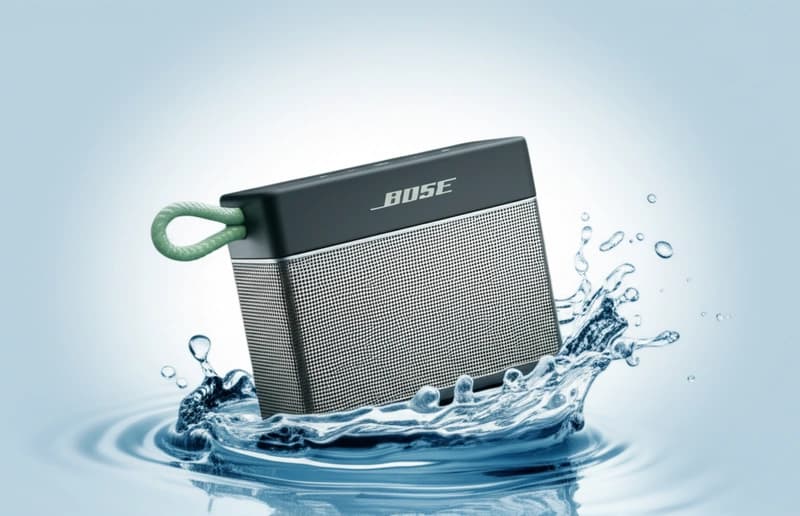
Some Bose speakers are genuinely waterproof and most are not, and the difference is printed on the specification as an IP rating. The SoundLink Flex and SoundLink Micro carry IP67, meaning they survive full immersion. The Revolve range is rated for splashes rather than submersion. Every home and soundbar model has no rating at all, which means no protection whatsoever.
Reading the rating correctly is the whole skill here, because the marketing word and the measured rating frequently disagree.
What the two digits mean
An IP rating has two numbers. The first is solids, the second is liquids.
| Rating | Protection |
|---|---|
| IPX4 | Splashing from any direction. Rain and poolside use |
| IP55 | Dust protected, and low pressure water jets from any direction |
| IP67 | Fully dust tight, and immersion to 1 meter for 30 minutes |
| No rating | No tested protection at all |
An X in place of a digit means that category was not tested, so IPX4 tells you about water and nothing about dust.
The second digit is a ladder rather than a scale of degree. A 7 means immersion, and a 4 means splashing, and something rated 4 has not been tested for immersion at all.
Which Bose models have which
The SoundLink Flex is rated IP67. Bose states it can be immersed to about one meter for thirty minutes, and it floats.
The SoundLink Micro is also IP67, which is what made it the clip-on shower and kayak speaker.
The SoundLink Revolve range is the one people get wrong. The original Revolve is IPX4, splash resistant only. The Revolve+ II is IP55, which adds dust protection and low pressure jets but still not immersion.
The home range, including the Home Speaker models, the soundbars and the bookshelf speakers, carries no ingress rating. These are indoor products and a spilled drink is a repair.
Because the range gets revised, check the specification page for your exact model rather than trusting a general impression of the brand.
What the ratings do not cover
This is where products fail, and it applies across every brand rather than just Bose.
Salt water is not part of any IP test. The test uses fresh water. Salt is conductive and corrosive, and it keeps attacking the internals after the water has evaporated. Rinse anything that goes in the sea with fresh water immediately.
Chlorinated pool water is similar, less aggressive than salt but still not what the rating covers.
Pressure is not covered either. IP67 is static immersion at a defined depth. A jet from a hose or the force of dropping a speaker into water can push past seals that would hold fine at rest.
Temperature cycling is the quiet killer. Taking a warm speaker into cold water contracts the air inside and creates a small pressure difference that draws water past a seal.
Ratings also describe a new product. Seals age, and a three year old IP67 speaker is not the sealed unit it left the factory as.
The charging port question
On most portable speakers the charging port is protected by the same sealed construction, but this is exactly where problems begin.
Never charge a speaker while the port is damp. Water bridging the contacts under power corrodes them quickly and can trip the protection circuit permanently.
Shake the port out and let it dry fully before plugging in, which usually means longer than it looks.
If a speaker stops charging after water exposure, corroded contacts are the most likely cause rather than a dead battery.
How to use them near water sensibly
For the shower, an IP67 model is comfortable, and even an IPX4 one is generally fine since steam and splashes are all it faces.
For a pool or beach, IP67 only, and rinse with fresh water afterward.
For rain and garden use, IPX4 upward is adequate, though dust protection is worth having outdoors.
For a boat, IP67 plus a rinse routine, and accept that marine air is harder on electronics than the rating anticipates.
For the kitchen, any rating helps, since the real risk there is a splash rather than immersion.
If it does get wet
Power it off immediately rather than checking whether it still works, since current flowing through wet electronics is what causes permanent damage.
Pour out standing water and shake the ports gently downward.
Dry at room temperature for at least 24 hours, longer if it was submerged. Do not use a hairdryer, which forces moisture inward and can distort the driver surround.
Rice does very little and its dust gets into ports. Air movement at room temperature is more effective.
Rinse with fresh water first if it was salt or chlorinated water, which sounds wrong and is correct, since leaving salt inside is worse than a brief rinse.
Frequently asked questions
Are Bose speakers waterproof?
Some are. The SoundLink Flex and SoundLink Micro are rated IP67 and survive immersion to about a meter for thirty minutes. The Revolve range is IPX4 or IP55, meaning splashes and jets rather than immersion. All home speakers and soundbars have no rating and no protection.
What is the difference between IP67 and IPX4?
IP67 means fully dust tight and safe under a meter of water for thirty minutes. IPX4 means protected against splashing from any direction, with dust untested. The second digit is a ladder rather than a scale, so an IPX4 product has not been tested for immersion at all and should not be submerged.
Can I take a Bose speaker in the shower?
Yes for the IP67 models, and generally yes for IPX4 ones, since a shower produces steam and splashes rather than immersion. Keep it away from the direct stream, and make sure the charging port is completely dry before plugging it in afterward.
Does an IP rating cover salt water?
No. Ingress testing uses fresh water, so no rating tells you anything about the sea. Salt is corrosive and keeps working after the water dries, so rinse any speaker with fresh water immediately after beach or boat use, then let it dry fully at room temperature.