Are JBL Headphones Good?
Good value and deliberately bass heavy, with one setting most owners never change. Here is what each range gives you and where the build gives out.
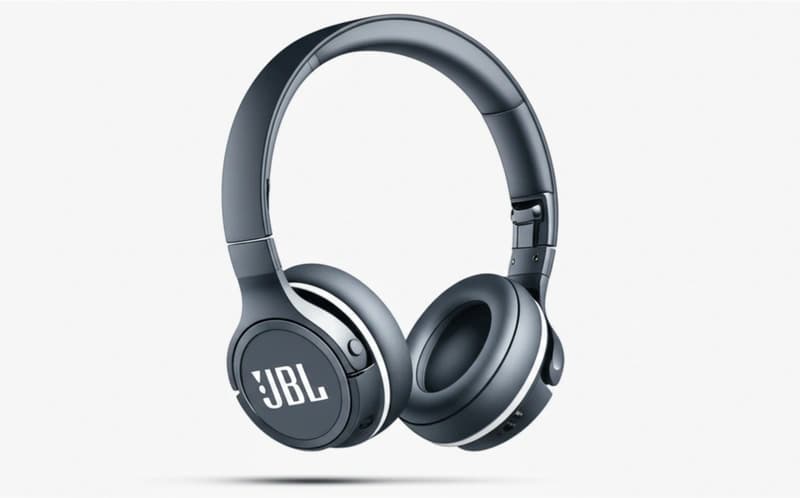
JBL headphones are good value and consistently bass-forward, and both of those are deliberate rather than accidental. The brand sits under Harman, which also owns AKG and Harman Kardon and has done more published research on what listeners actually prefer than almost anyone. What you get is a tuning aimed at broad appeal, competent hardware, and a price that undercuts the obvious alternatives.
Whether that suits you depends on which part of the range you are looking at, because the gap between the tiers is larger than the naming suggests.
The ranges, and what actually changes
| Range | Position | What you are getting |
|---|---|---|
| Tune | Budget | The tuning and the app, with plastic build and basic cancellation |
| Live | Mid | Better drivers, real cancellation, more app control |
| Tour | Flagship | Adaptive cancellation, multipoint, materials that last |
| Endurance and Reflect | Sport | Fit and water resistance prioritized over sound |
| Quantum | Gaming | Boom microphone, low latency connection options |
The jump worth paying for is Tune to Live. Cancellation below the Live tier is mild enough that you are mostly hearing the seal rather than the electronics.
Tour is where the noise cancellation becomes genuinely competitive with the established flagships, and where the build stops feeling like a budget product.
The house sound, and how to change it
JBL tunes for a raised low end. Typically several decibels above neutral through the bass and lower midrange, which is what makes them sound immediately satisfying in a shop.
There is a real cost to that. A strong low frequency raises the level at which you can hear quieter sounds nearby in frequency, and the effect spreads upward, so detail in the lower midrange gets buried under the bass rather than sitting alongside it. Voices lose a little separation and quiet instrumental texture goes missing.
The useful part is that this is largely fixable. The JBL Headphones app includes a graphic equalizer on most current models, and pulling the low bands down by three or four decibels transforms how much detail you hear. Very few owners do it.
If you buy JBL and never open the app, you are using the product at its least capable setting.
What the brand does well
Value at every tier. You generally get more features for the money than the better known competitors offer, and battery life in particular tends to beat the class.
Battery figures that hold up in use rather than only on the box, which is less common than it should be.
Connection reliability, with solid Bluetooth performance and multipoint on the higher tiers so a laptop and phone can stay connected together.
App support that goes beyond a token equalizer, including button remapping, cancellation levels and firmware updates.
Fit options across the sport range, which is a genuine strength rather than marketing. The wing and hook designs stay put in a way many competitors do not.
What the brand does less well
Build materials at the budget tiers. Thin plastic headbands and hinges are the usual failure point on the Tune models, and they crack rather than wear.
Earpads that are not designed to be replaced on many models. Since pads are the part that degrades first, that shortens the useful life of an otherwise working headphone.
Batteries that are sealed and not user serviceable, so a pair reaching the end of its charging life is finished. This is an industry-wide problem rather than a JBL one, but it is worth factoring into what you pay.
Cancellation on the cheaper models that is marketed more strongly than it performs.
Frequent range refreshes with confusingly similar names, which makes comparing reviews harder than it needs to be.
How they compare
Against Sony and Bose at the flagship level, the Tour models are close on cancellation and behind on refinement, at a lower price. If cancellation is the main reason you are buying, the established two still lead by a small margin.
Against Anker and similar value brands, JBL generally wins on connection stability, app quality and long term support.
Against Apple within an Apple household, you lose the automatic switching and integration and gain price and Android compatibility.
Against AKG, which is the same parent company, you are choosing a consumer tuning over a flatter one.
Which to buy for what
For commuting and flights, the Tour tier, because that is where the cancellation is worth the money.
For the gym, the Endurance or Reflect models, chosen on fit rather than specification.
For a first wireless pair on a budget, the Tune range does the job, provided you treat the cancellation as a small bonus rather than a feature.
For gaming, the Quantum range, though a general purpose headphone with a separate microphone is frequently better value, as our piece on what makes gaming headphones good explains.
For exercise where sweat is constant, check the rating covers what you think it does. Our guide on whether JBL headphones are waterproof covers what the numbers actually promise.
Making them last
Wipe sweat off after exercise, particularly around the charging contacts on true wireless models, since salt residue there is the most common cause of a bud that stops charging.
Store them out of hot cars, because heat is what shortens lithium battery life more than charge cycles do.
Avoid charging to full and leaving them on the charger indefinitely if you can manage it.
If they start behaving oddly, connecting to the wrong device or refusing to pair, a reset usually clears it. Our guide on how to reset JBL headphones covers the sequences by model.
Frequently asked questions
Are JBL headphones good quality?
They are good value with consistent tuning and reliable connections, and the build at the budget tiers is the weak point. The Tune range uses thin plastic that cracks at the hinges, while the Live and Tour ranges are properly made. Owned by Harman, they benefit from serious research into listener preference.
Why do JBL headphones sound so bass heavy?
Because they are tuned that way deliberately, usually several decibels above neutral through the bass. It sells well and sounds immediately impressive. The equalizer in the JBL Headphones app lets you pull the low bands down by three or four decibels, which recovers a surprising amount of midrange detail.
Is JBL better than Sony or Bose?
Not at the top on noise cancellation, where Sony and Bose still hold a small lead in refinement. JBL usually wins on price for a comparable feature set and on battery life. If cancellation is the main reason you are buying, the established two are worth the premium. Otherwise JBL is the better value.
Which JBL headphones should I buy?
Tour if you want cancellation that genuinely works on a commute or a flight. Live if you want most of that for less. Tune only if the budget requires it, treating the cancellation as a bonus. For the gym, choose from the Endurance and Reflect ranges based on which fit stays in your ears.