Looking for a peaceful retreat from the chaos of everyday life? Learning how to soundproof a bedroom can transform your space into a quiet, restful haven. Whether it’s noisy neighbors, street traffic, or household chatter keeping you up, effective soundproofing is easier than you think.
In this guide, we’ll explore 7 proven strategies to block unwanted noise and enhance your bedroom’s tranquility. From simple DIY fixes to advanced techniques, discover practical solutions to create the serene sleep environment you deserve starting today!
Why Soundproofing a Bedroom Is Important
Noise pollution can significantly affect your health, sleep quality, and productivity. Studies have shown a strong correlation between chronic noise exposure and increased stress, high blood pressure, and anxiety (cite source). Here are key reasons to prioritize how to soundproof a bedroom:
- Improved Sleep Quality: Reducing noise leads to deeper, uninterrupted sleep, allowing your body and mind to fully rest and recover.
- Enhanced Focus: A quiet environment promotes relaxation and concentration, creating a space conducive to work, study, or simply unwinding.
- Health Benefits: Chronic exposure to noise has been linked to a range of health problems, including cardiovascular issues and mental health challenges.
Addressing noise in your bedroom creates a sanctuary where you can recharge, free from daily distractions.
Assessing Noise Sources in Your Bedroom
Before soundproofing, identify the main noise sources.
Using a sound level meter can help pinpoint the loudest noises and their frequencies. Common culprits include:
- Outdoor Noise: Traffic, construction, barking dogs, and loud neighbors.
- Indoor Noise: HVAC systems, household appliances, televisions, and other occupants.
- Structural Issues: Thin walls, hollow-core doors, and uninsulated windows.
Knowing the source helps tailor soundproofing solutions to your specific needs.
Seal Gaps and Cracks to Block Noise
Small gaps and cracks can let significant amounts of noise seep into your bedroom. Here’s how to address them:
Using Weather Stripping
Apply weather stripping to doors and windows to seal gaps effectively.
For windows, consider [specific product recommendation and link]. For doors, [specific product recommendation and link] is a good option. Here’s how to apply weather stripping:
- Clean the surface: Ensure the application area is clean and dry.
- Measure and cut: Carefully measure the required length and cut the weather stripping accordingly.
- Apply firmly: Peel off the backing and firmly press the weather stripping onto the surface.
Installing Door Sweeps
Attach door sweeps under doors to block noise and airflow.
The [specific product recommendation and link] is a good choice. Installation typically involves:
- Measuring: Determine the width of the door.
- Cutting: If necessary, cut the sweep to the correct size.
- Attaching: Screw or adhere the sweep to the bottom of the door.
Caulking Gaps and Cracks
Seal cracks around window frames, door frames, and walls using acoustic caulk like [specific product recommendation and link] to prevent sound leakage. Apply a smooth bead of caulk and allow it to dry completely.
Install Heavy Curtains or Soundproof Blinds
Windows are a significant source of outside noise.
Heavy curtains or soundproof blinds can significantly reduce noise infiltration:
- Absorb sound waves, reducing their intensity.
- Dampen external noise, creating a quieter interior.
- Add an extra layer of insulation for both noise and temperature control.
Look for materials like velvet, heavy linen, or specialized sound-dampening polyester fabrics such as [specific product recommendation and link] for optimal soundproofing. Ensure curtains are long enough to reach the floor and are pleated for maximum effectiveness.
Enhance Walls with Acoustic Panels
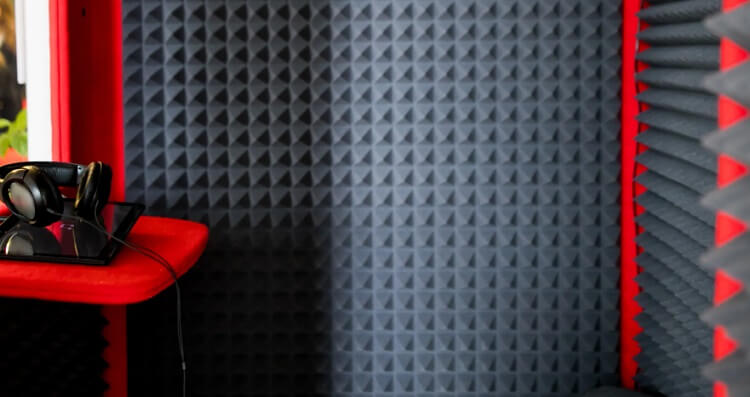
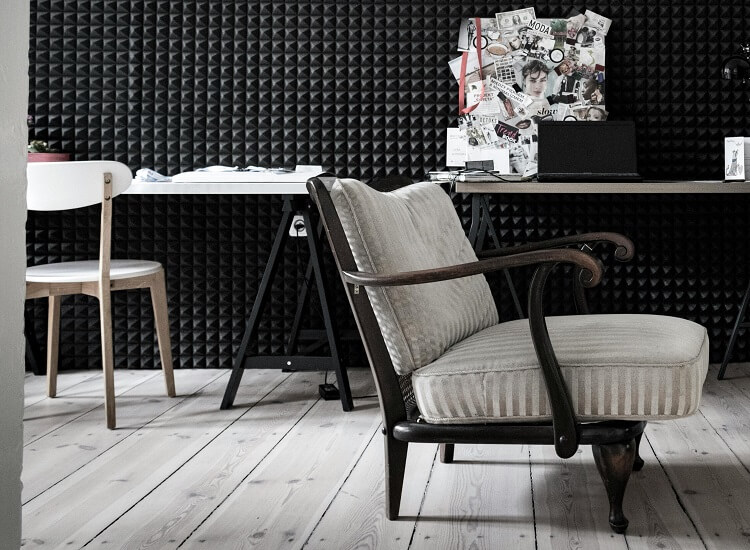
Thin walls can easily transmit sound. Acoustic panels are a stylish and functional solution for improving room acoustics:
- Absorb noise within the room, minimizing reflections and echo.
- Reduce reverberation, creating a clearer and more defined soundscape.
- Enhance aesthetics with customizable designs and colors.
Install panels strategically on walls or ceilings to maximize their effectiveness.
Different types of acoustic panels, such as foam panels ([example product and link]) or fabric-wrapped panels ([example product and link]), offer varying levels of absorption at different frequencies. Consider consulting an acoustics professional for optimal placement and selection.
Upgrade Your Bedroom’s Windows
If outdoor noise is a persistent issue, consider upgrading your windows:
Double-Glazed Windows
Double-glazed windows consist of two panes of glass with an insulating layer of air or gas in between. They are excellent for reducing external noise.
Look for windows with a high Sound Transmission Class (STC) rating, which measures their ability to block sound. An STC rating of 30 or higher is recommended for noise reduction.
Window Inserts
Window inserts are a cost-effective alternative to replacing windows entirely. They provide an additional layer of insulation against sound and drafts, improving the existing window’s STC rating.
[Example product and link].
Soundproof the Floor and Ceiling
Noise doesn’t only come through walls; floors and ceilings can also be problematic:
- Area Rugs with Padding: Thick area rugs with dense padding, such as [example product and link], can reduce noise from footsteps and vibrations.
- Acoustic Ceiling Tiles: These specialized tiles can block sounds from upstairs neighbors or external sources. [Example product and link].
Proper installation is crucial for effectiveness.
- Underlayment: Installing underlayment beneath flooring can significantly dampen sound transmission. Options include cork, rubber, or foam underlayment. [Example product for each and link].
Leverage White Noise Machines
While white noise doesn’t block noise, it masks unwanted sounds by creating a consistent, soothing audio background.
Options include:
- Standalone white noise machines: [Example product and link]
- Mobile apps like Calm and Noisli.
- Everyday alternatives like fans or air purifiers.
FAQ
How much does it cost to soundproof a bedroom?
Costs vary depending on the methods used. Simple solutions like curtains and weather stripping may cost under $100, while advanced options like double-glazed windows or professional insulation can range from $500 to $2,000 or more.
Can I soundproof a rented bedroom?
Yes, temporary solutions like heavy curtains, door sweeps, and removable acoustic panels are renter-friendly options.
Will soundproofing make my room completely silent?
While soundproofing significantly reduces noise, it may not eliminate it entirely. Combining methods offers the best results.
What is the best soundproofing method for traffic noise?
For traffic noise, combining double-glazed windows with heavy curtains is often the most effective solution.
Adding acoustic panels to the walls can further reduce noise infiltration.
How to soundproof a bedroom cheaply?
Start with the most affordable options like weather stripping, door sweeps, and heavy curtains. DIY solutions like adding bookshelves to walls can also help absorb sound.
What is STC rating and how does it relate to soundproofing?
STC (Sound Transmission Class) measures how much sound a material blocks. A higher STC rating indicates better soundproofing.
Aim for windows and doors with an STC of 30 or higher.
When should I hire a professional for soundproofing?
Consider hiring a professional if you’re dealing with persistent noise issues, have complex structural challenges, or plan to undertake major renovations.
Conclusion
Creating a peaceful bedroom environment starts with addressing noise sources and applying practical soundproofing techniques. From sealing gaps with weather stripping and caulking to installing acoustic panels and heavy curtains, these strategies can transform your space into a quiet retreat. By implementing these tips on how to soundproof a bedroom, you can create a sanctuary for restful sleep and enhanced well-being.
Start small with budget-friendly options and consider more substantial upgrades for optimal noise reduction. Remember, even small improvements can make a big difference in your quality of life.